Real Estate Auctions 2026: 10 Things You Should Check Before Placing a Bid

Electronic real estate auctions have become one of the most popular options for individuals looking to purchase a home, commercial property, or investment asset. While significant opportunities may arise, proper preparation is essential before participating in any auction.
If you are considering placing your first bid, here are the 10 key factors you should review beforehand.
1. Carefully Review the Seizure Report
The seizure report contains critical information about the property, including its description, size, ownership percentage being auctioned, and the starting bid price.
Do not rely solely on the auction title. The most important details are found within the official documents.
2. Verify the Property Location
Location has a major impact on a property's actual value.
Consider the following:
-
The neighborhood
-
Access to major roads and public transportation
-
Proximity to schools, public services, and commercial areas
-
Future development prospects of the area
3. Compare the Price with the Market
A low starting bid does not automatically mean a good deal.
Compare the property with similar listings and recent sales in the same area to determine whether the price is genuinely competitive.
4. Check for Planning or Building Violations
Unauthorized constructions, unregulated modifications, or planning violations may result in additional costs after the purchase.
A technical inspection by a qualified engineer can provide valuable insight.
5. Investigate Occupancy Status
One of the most important aspects is whether the property is vacant or occupied.
The presence of tenants or other occupants may affect how quickly you can take possession and utilize the property.
6. Calculate All Associated Costs
The total investment goes beyond the winning bid amount.
Additional costs may include:
-
Property transfer tax
-
Notary fees
-
Legal fees
-
Technical inspection costs
-
Renovation or repair expenses
7. Evaluate the Property's Commercial Potential
Before participating in an auction, define your objective.
Will the property be used for:
-
Personal residence?
-
Long-term rental?
-
Short-term rental?
-
Resale?
Your intended use will significantly influence whether the investment makes financial sense.
8. Avoid Emotional Bidding
During an auction, it is easy to become caught up in the competition and exceed your original budget.
Set a maximum bid amount in advance and stick to it.
9. Obtain Legal Due Diligence
A legal review can reveal important information that may not be immediately obvious to a prospective buyer.
Consulting a qualified legal professional can help you assess the property and its accompanying documentation more effectively.
10. Use Reliable Property Research Tools
Access to accurate information is one of the greatest advantages when participating in real estate auctions.
Specialized platforms that provide property data, location insights, maps, and supporting documentation can help you save time and identify opportunities more efficiently.
Conclusion
Real estate auctions can offer significant opportunities for buyers who approach the process with proper preparation and realistic expectations. Careful analysis of the property, assessment of potential risks, and informed decision-making are essential elements of a successful purchase.
The better informed you are, the greater your chances of securing a property that aligns with your needs, objectives, and investment strategy.

Συντάκτης
Κώστας Μακρής
Αρθρογραφεί στο Eauction24.gr για πλειστηριασμούς, ακίνητα και πρακτική ενημέρωση γύρω από την αγορά ακινήτων.
LinkedIn profileMore
-
 How a Typing Mistake Cost Someone €144,000 at a Real Estate Auction
 -
 The Great Geographic Shift: Why Regional Greece Is Leading Property Auctions
 -
Real Estate Auctions 2026: 10 Things You Should Check Before Placing a Bid
-
 Why a Lawyer is Not (and Should Not Be) a Real Estate Broker
 -
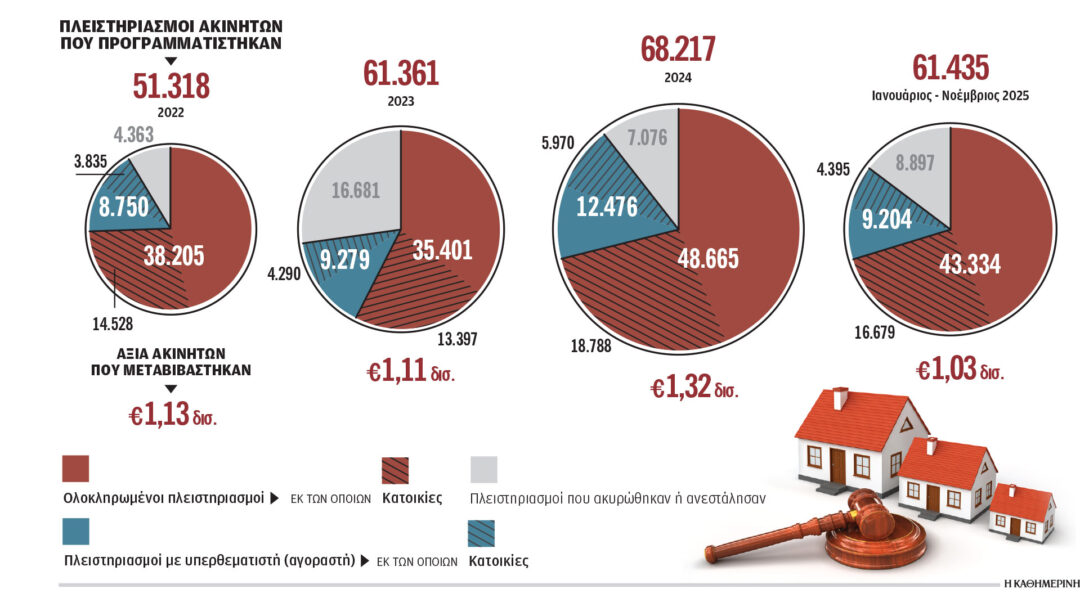 Your Opportunity in Real Estate: 80% of Auctions in 2025 Ended Without a Sale — Especially in Residential Properties, Where 74% Did Not Result in a Transaction